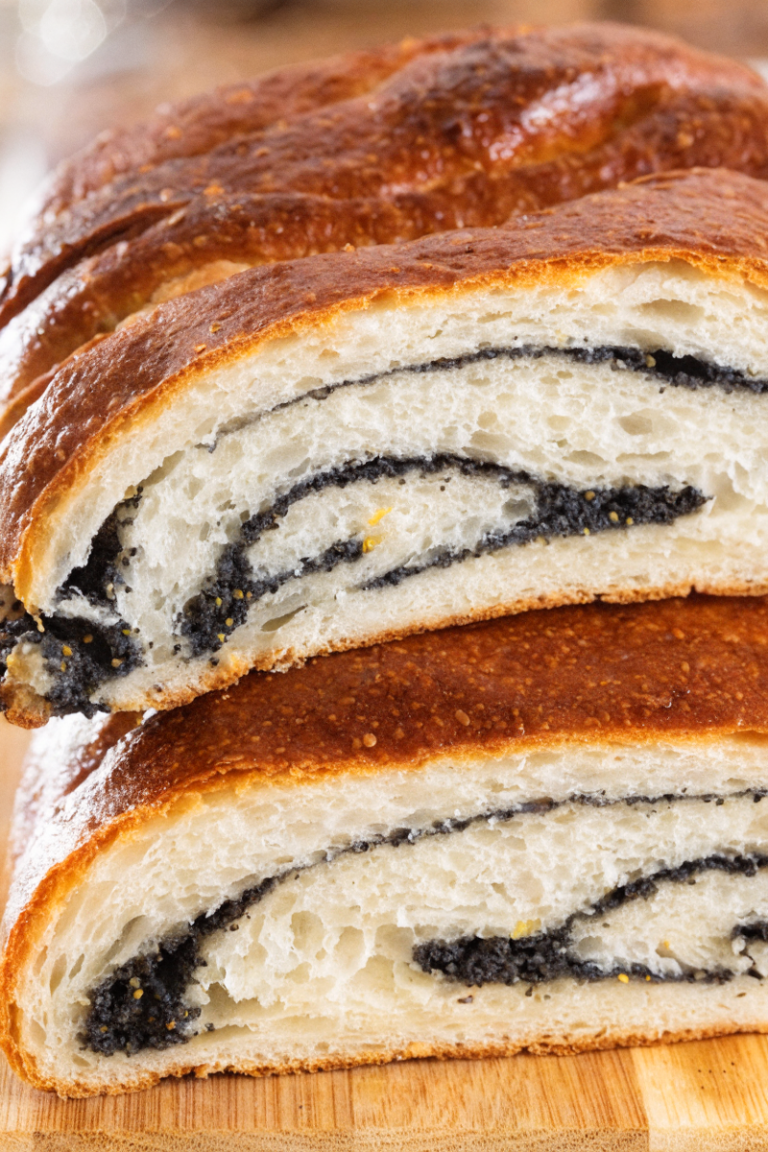
Lemon Yogurt Cake is a soft, moist, and bright-tasting dessert made with simple ingredients like yogurt, lemons, sugar, eggs, flour, and oil. It is known for being easy to prepare because you don’t need any fancy mixers or complicated steps. The yogurt gives the cake a tender texture and helps keep it from drying out. The lemon adds a fresh, zesty flavor that makes every bite taste light and happy. It’s the kind of cake that feels special but is simple enough to make on a regular day.

This cake is popular in many homes because it’s very forgiving. That means even if you are new to baking, it usually turns out well. You can serve it for breakfast, snack time, dessert, or even at parties. Kids like it because it’s soft and slightly sweet, and adults like it because it’s not too heavy. If you enjoy lemon flavor and want a cake that’s easy and reliable, Lemon Yogurt Cake is a perfect choice.
You Should Try the Lemon Yogurt Cake
You should try Lemon Yogurt Cake because it uses everyday ingredients and comes together quickly. There’s no need to cream butter or wait for ingredients to soften. You can mix most of it in one bowl, which means less mess and fewer dishes. The yogurt makes the cake rich and fluffy, while the lemon gives it a fresh taste that isn’t too strong.
Another reason to try it is that it’s very flexible. You can add a lemon glaze, dust it with powdered sugar, or serve it with fruit. It works as a loaf cake or a round cake. You can even turn it into cupcakes. If you want a simple recipe that tastes like it came from a bakery, this is a great one to start with.
Table of Contents
Table of Contents
Ingredients you’ll need for Lemon Yogurt Cake
Here is everything you need to make Lemon Yogurt Cake:
- 1 cup plain yogurt regular or Greek
- 1 cup granulated sugar
- 3 large eggs
- 1/2 cup vegetable oil or light olive oil
- 2 tablespoons fresh lemon juice
- 1 tablespoon lemon zest yellow outer peel only
- 1 1/2 cups all-purpose flour
- 2 teaspoons baking powder
- 1/4 teaspoon salt
- 1 teaspoon vanilla extract
Optional Lemon Glaze
- 1 cup powdered sugar
- 2–3 tablespoons lemon juice
How to Make Lemon Yogurt Cake
Step 1
Preheat your oven to 350°F (175°C). Grease your cake pan lightly with oil or butter, and if you like, line the bottom with parchment paper so the cake comes out easily later. Wash your lemons well before zesting. Only grate the yellow outer skin, not the white part underneath, because the white part tastes bitter.
Step 2
In a large mixing bowl, add the yogurt and sugar. Whisk them together until smooth and creamy. Crack in the eggs one at a time and whisk after each egg so everything blends nicely. Add the oil and vanilla extract and mix again. Now add the lemon juice and lemon zest. Stir until the mixture looks glossy and well combined.
Step 3
In a separate bowl, mix the flour, baking powder, and salt. Stir them together so the baking powder is spread evenly. Slowly add the dry ingredients into the wet ingredients. Mix gently with a spatula or spoon. Do not mix too hard or too long. Stir just until you do not see dry flour anymore. The batter should look smooth and thick.
Step 4
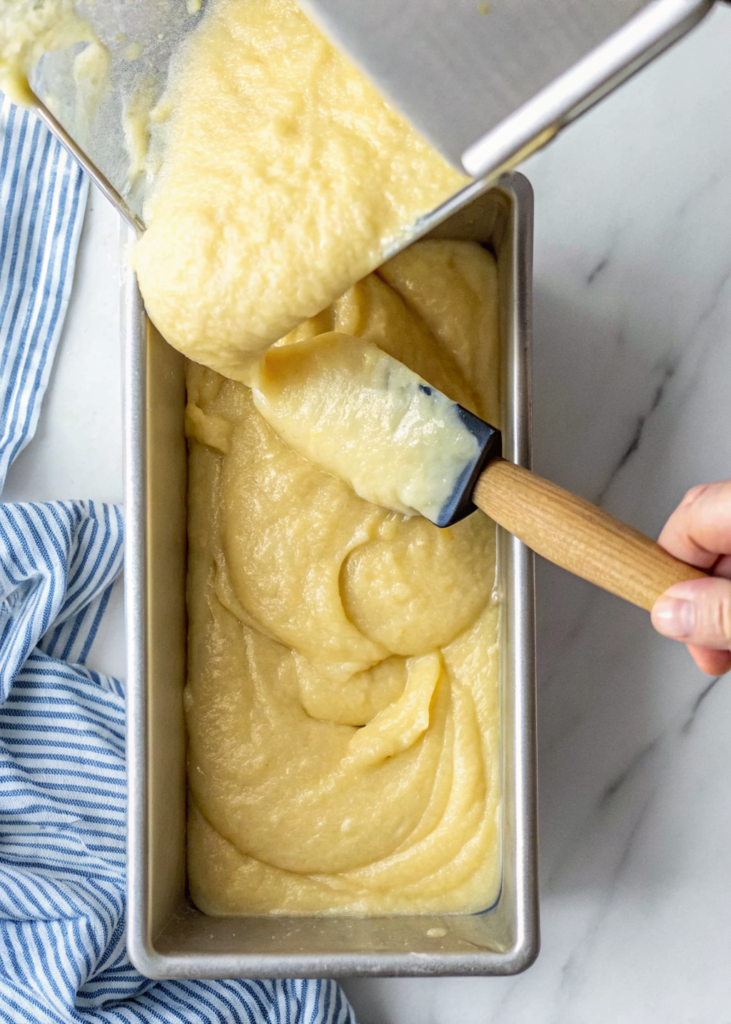
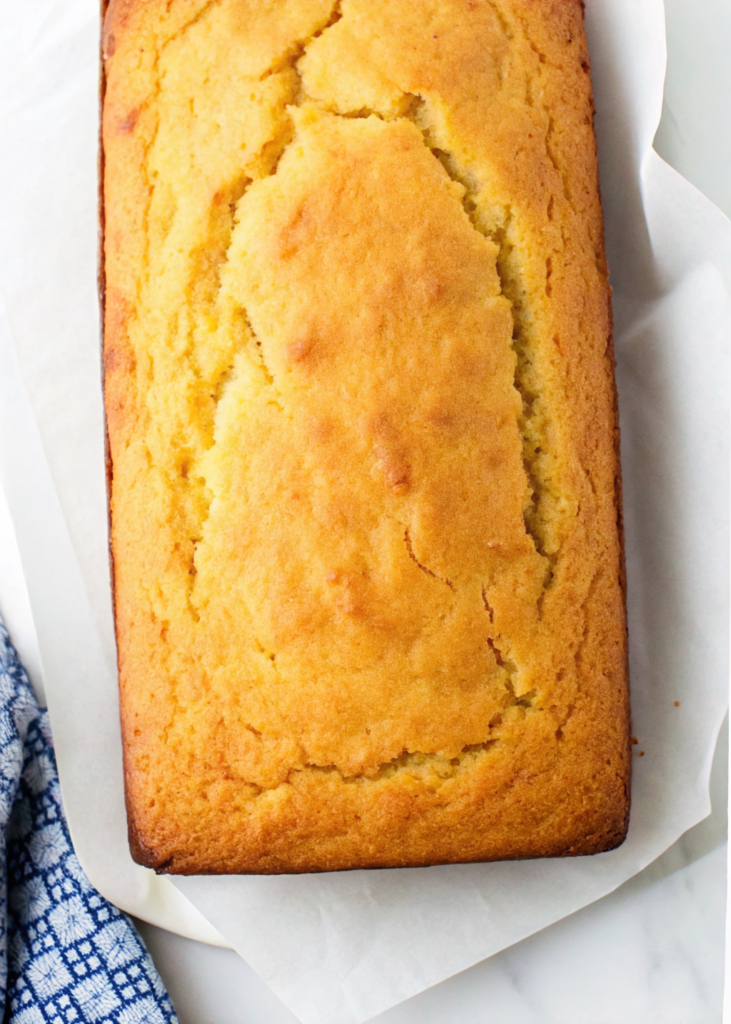
Pour the batter into your prepared pan and spread the top evenly. Tap the pan lightly on the counter once or twice to remove big air bubbles. Place the pan in the oven on the middle rack. Bake for about 35–45 minutes. The cake is ready when the top is lightly golden and a toothpick inserted in the center comes out clean.
Step 5
Take the cake out of the oven and let it cool in the pan for about 10–15 minutes. Then gently remove it and place it on a cooling rack. Let it cool completely before adding glaze or slicing. If you are making the lemon glaze, mix powdered sugar with lemon juice until smooth and pourable, then drizzle it over the cooled cake.
You can add this post to your favorite Pinterest board!
Kitchen equipment you will need :
Before you start, make sure you have these kitchen tools ready:
- Mixing bowls one large, one medium
- Measuring cups and spoons
- Whisk or fork
- Rubber spatula or wooden spoon
- Lemon zester or fine grater
- Citrus juicer or squeeze by hand
- 8-inch round or loaf cake pan
- Parchment paper optional but helpful
- Oven
- Cooling rack
- Toothpick or cake tester
Tips and Variation Ideas
Always use room-temperature eggs and yogurt if possible. They mix more easily and help the cake rise better. If you forget, place eggs in warm not hot water for 5 minutes.
Do not overmix the batter once the flour is added. Overmixing can make the cake dense instead of soft. Gentle mixing gives a better texture.
If your lemons are small, use two. Fresh lemon juice tastes much better than bottled juice in this recipe.
You can use Greek yogurt for a slightly richer cake or regular yogurt for a lighter texture. Both work well.
What can I serve with this Lemon Yogurt Cake ?
I often serve this Lemon Yogurt Cake with delicious drinks like coffee or tea. My daughter also loves it with milk or a milkshake, and I sometimes like to enjoy it with fruit juice or another cold drink.

Commonly Asked Questions
What makes Lemon Yogurt Cake different from regular lemon cake ?
Lemon Yogurt Cake uses yogurt in the batter, which makes it extra moist and soft compared to many regular lemon cakes that use only milk or butter.
Can I add fruit to the batter ?
Yes. Blueberries, raspberries, or chopped strawberries mix in well. Toss them in a little flour first so they don’t sink.
Should I refrigerate the cake ?
Only if keeping it more than 2 days. Otherwise, room temperature in a sealed container is fine.
Can I turn this recipe into cupcakes ?
Yes. Pour into cupcake liners and bake about 18–22 minutes instead of the full cake time.

Lemon Yogurt Cake
Course: Dessert, Snacks, BreakfastCuisine: AmericanDifficulty: Easy8
servings15
minutes40
minutes260
kcal55
minutesA soft and moist Lemon Yogurt Cake made with fresh lemon juice and creamy yogurt. It’s easy to bake, full of bright citrus flavor, and perfect for dessert, snack time, or a sweet breakfast.
Ingredients
1 cup plain yogurt regular or Greek
1 cup granulated sugar
3 large eggs
1/2 cup vegetable oil or light olive oil
2 tablespoons fresh lemon juice
1 tablespoon lemon zest yellow outer peel only
1 1/2 cups all-purpose flour
2 teaspoons baking powder
1/4 teaspoon salt
1 teaspoon vanilla extract
1 cup powdered sugar
2–3 tablespoons lemon juice
Directions
- Preheat your oven to 350°F (175°C). Grease your cake pan lightly with oil or butter, and if you like, line the bottom with parchment paper so the cake comes out easily later. Wash your lemons well before zesting. Only grate the yellow outer skin, not the white part underneath, because the white part tastes bitter.
- In a large mixing bowl, add the yogurt and sugar. Whisk them together until smooth and creamy. Crack in the eggs one at a time and whisk after each egg so everything blends nicely. Add the oil and vanilla extract and mix again. Now add the lemon juice and lemon zest. Stir until the mixture looks glossy and well combined.
- In a separate bowl, mix the flour, baking powder, and salt. Stir them together so the baking powder is spread evenly. Slowly add the dry ingredients into the wet ingredients. Mix gently with a spatula or spoon. Do not mix too hard or too long. Stir just until you do not see dry flour anymore. The batter should look smooth and thick.
- Pour the batter into your prepared pan and spread the top evenly. Tap the pan lightly on the counter once or twice to remove big air bubbles. Place the pan in the oven on the middle rack. Bake for about 35–45 minutes. The cake is ready when the top is lightly golden and a toothpick inserted in the center comes out clean.
- Take the cake out of the oven and let it cool in the pan for about 10–15 minutes. Then gently remove it and place it on a cooling rack. Let it cool completely before adding glaze or slicing. If you are making the lemon glaze, mix powdered sugar with lemon juice until smooth and pourable, then drizzle it over the cooled cake.
Notes
- Only grate the yellow part of the peel, not the white layer underneath, which tastes bitter.
- Mix the batter gently after adding flour. Overmixing makes the cake heavy instead of fluffy.
- Line the pan with parchment paper for easy removal and clean edges.
- If the top browns too fast, loosely cover with foil for the last part of baking.