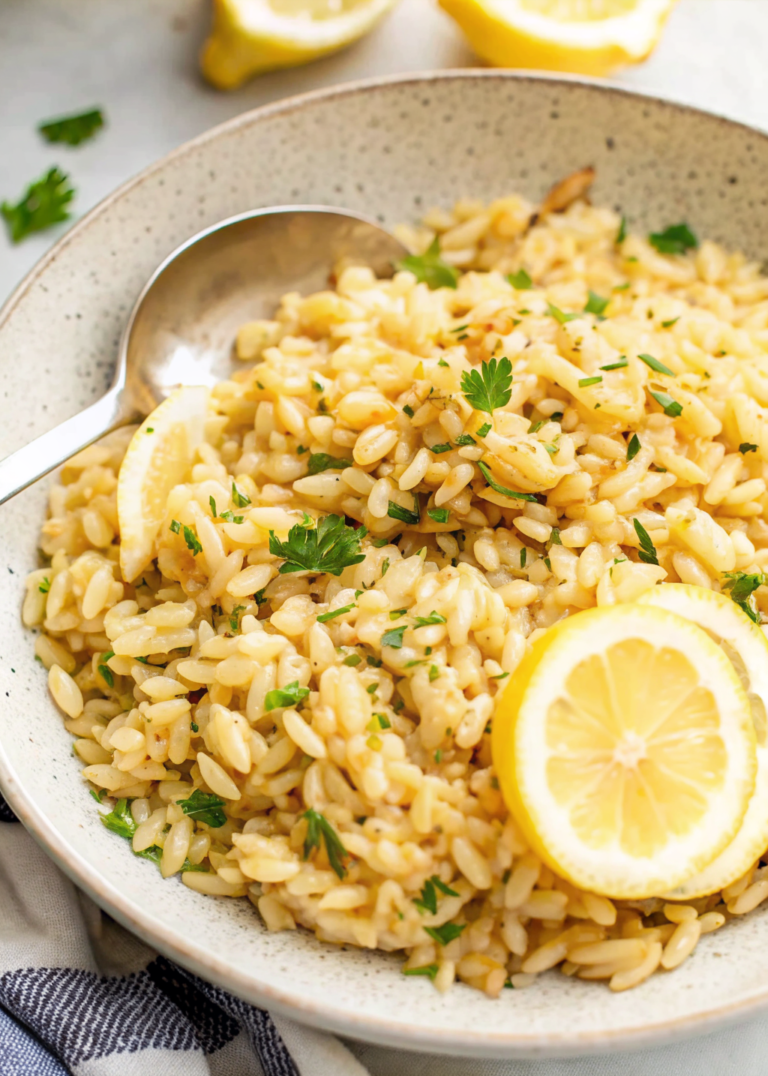
Wild Rice Pilaf is a warm, hearty side dish made with nutty wild rice, tender vegetables, and flavorful broth. Even though it is called “rice,” wild rice is actually a type of grass seed that grows in water. It has a chewy texture and a rich, earthy taste that makes it different from white or brown rice. When cooked, wild rice pops open and curls slightly, giving it a fun look and texture.
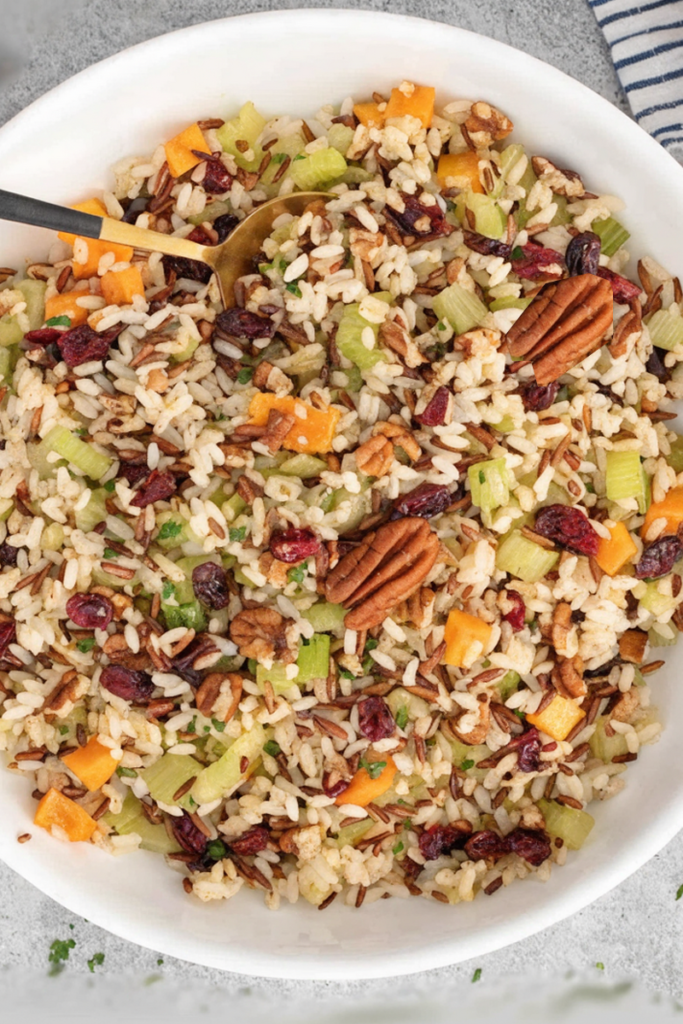
A pilaf is a dish where rice (or in this case, wild rice) is cooked in broth with vegetables, herbs, and sometimes nuts or dried fruit. Everything cooks together so the grains soak up lots of flavor. Wild Rice Pilaf is perfect for family dinners, holiday meals, or even meal prep for the week. It feels fancy, but it is actually simple to make!
You Should Try the Wild Rice Pilaf
You should try Wild Rice Pilaf because it is both healthy and delicious. It is full of fiber, vitamins, and minerals that help your body stay strong and energized. It is also naturally gluten-free, which makes it a great option for many families. The chewy rice mixed with soft vegetables creates a wonderful combination of textures in every bite.
Another reason to love this recipe is how flexible it is. You can add mushrooms, carrots, onions, celery, nuts, or even dried cranberries. You can keep it simple for a weeknight dinner or dress it up for a special occasion. Once you learn how to make this basic Wild Rice Pilaf, you can easily change it to match your taste.
Table of Contents
Table of Contents
Ingredients you’ll need for Wild Rice Pilaf
Here is everything you need to make Wild Rice Pilaf:
- 1 cup wild rice rinsed
- 2 ½ cups vegetable or chicken broth
- 1 tablespoon olive oil or butter
- 1 small onion, finely chopped
- 1 celery stalk, chopped
- 1 small carrot, diced
- 2 cloves garlic, minced
- ½ teaspoon salt or to taste
- ¼ teaspoon black pepper
- ½ teaspoon dried thyme optional
- 2 tablespoons chopped fresh parsley for garnish
- Optional: ¼ cup chopped pecans or dried cranberries
How to Make Wild Rice Pilaf
Step 1
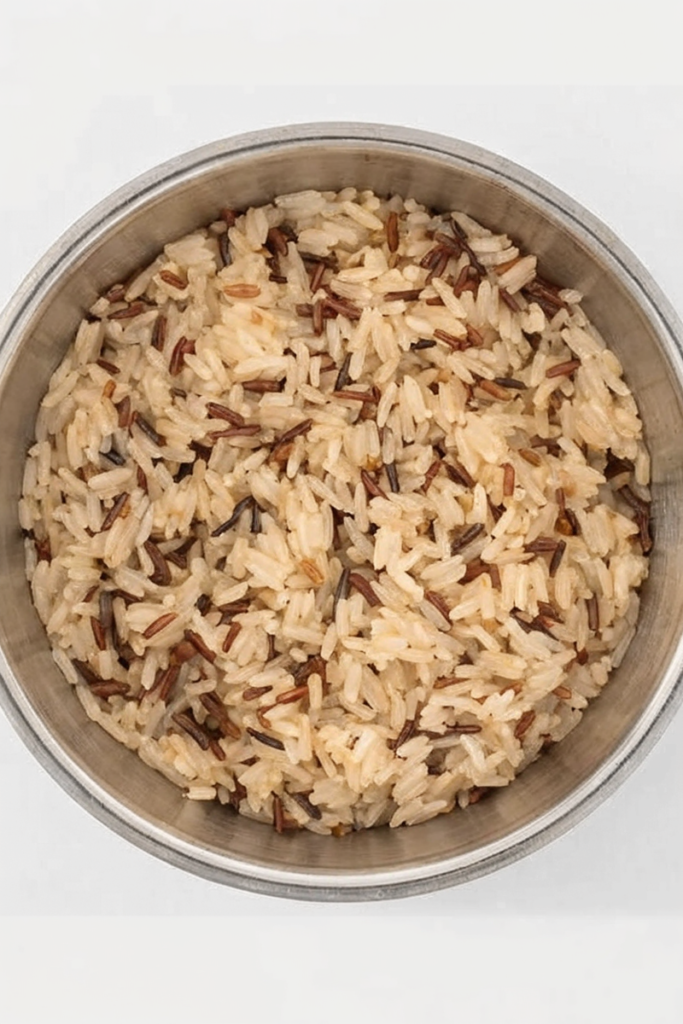
First, rinse the wild rice under cold running water using a fine strainer. This helps remove any dust or extra starch and makes the rice taste fresh and clean.
Step 2
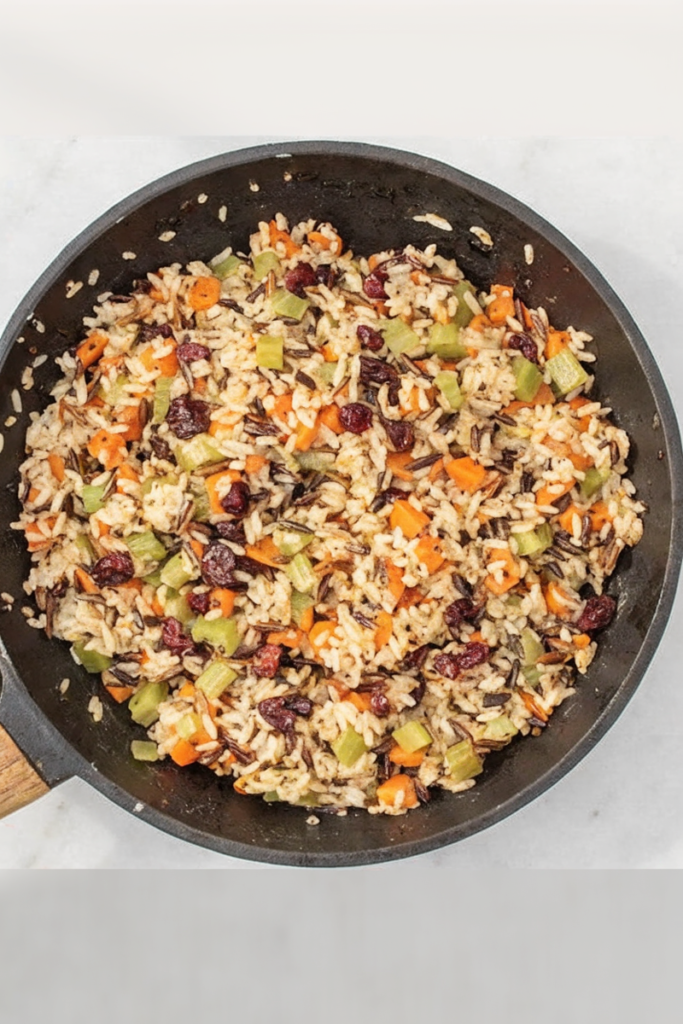
Next, heat the olive oil or butter in a medium pot over medium heat. Add the chopped onion, celery, and carrot. Cook them for about 5–7 minutes, stirring often, until they become soft and slightly golden. This step builds flavor, so do not rush it. Add the garlic and cook for one more minute, just until fragrant.
Step 3
Now, stir in the rinsed wild rice. Let it toast in the pot with the vegetables for about 1–2 minutes. This gives the rice a deeper, nuttier taste. Carefully pour in the broth, then add the salt, pepper, and thyme. Stir everything together.
Step 4
Bring the mixture to a gentle boil. Once it starts bubbling, reduce the heat to low and cover the pot with a lid. Let it simmer for about 40–50 minutes. Wild rice takes longer to cook than regular rice, so be patient. The rice is done when most of the grains have popped open and are tender but still slightly chewy.
Step 5
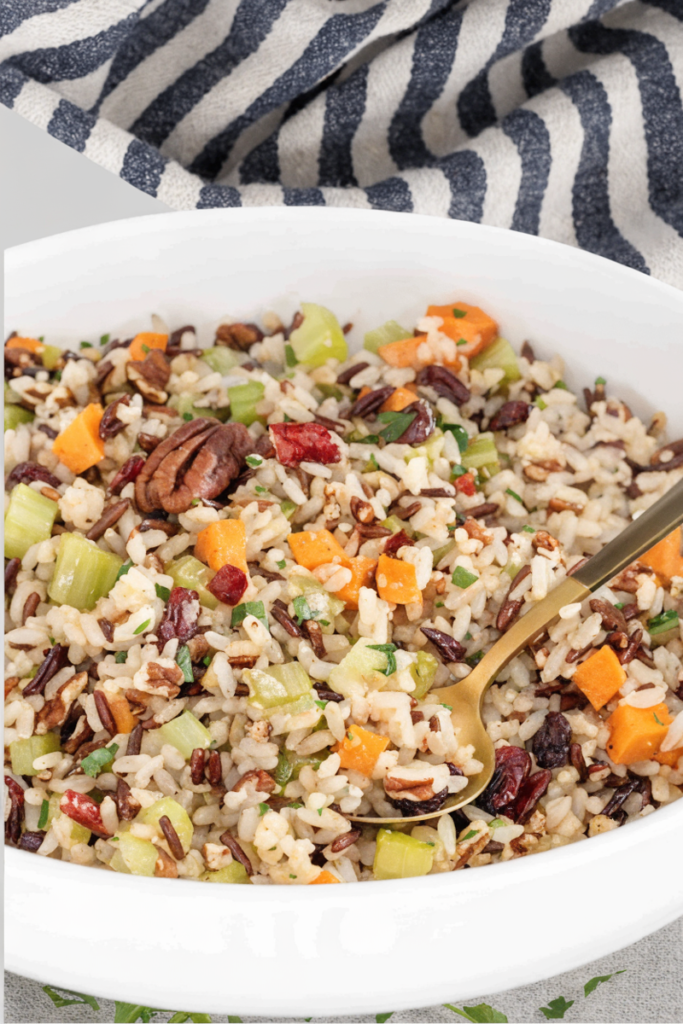
Turn off the heat and let the pilaf sit, covered, for about 5–10 minutes. Then remove the lid and fluff the rice gently with a fork. If you are using pecans or dried cranberries, stir them in now. Sprinkle fresh parsley on top before serving.
You can add this post to your favorite Pinterest board!
Kitchen equipment you will need :
Before you start, make sure you have these kitchen tools ready:
- Medium saucepan or pot with lid
- Fine mesh strainer
- Cutting board
- Sharp knife
- Wooden spoon or spatula
- Measuring cups and spoons
- Fork for fluffing rice
Tips and Variation Ideas
Always rinse wild rice before cooking to remove debris.
Toast the rice for extra flavor before adding broth.
Use broth instead of water for a richer taste.
Do not stir too much while it cooks, or the rice may become mushy.
What can I serve with this Wild Rice Pilaf ?
I like making this wild rice pilaf when I want a side dish that feels wholesome and a little different from plain rice. It’s perfect for family dinners, and my daughter enjoys the mix of textures and flavors in every bite. I usually serve it alongside roasted chicken, grilled vegetables, or even a simple baked fish, depending on what we’re having. For drinks, we keep it light with lemon water, orange juice, or a fresh fruit smoothie. Nutty, comforting, and easy to pair with almost anything, this pilaf always rounds out the meal nicely.
Commonly Asked Questions
Can I cook wild rice in a rice cooker ?
Yes, you can cook it in a rice cooker, but it may need extra water and a longer cooking time.
What nuts can I add to pilaf ?
Pecans, almonds, or walnuts add a nice crunch.
How long does it last in the refrigerator ?
It will stay fresh in the fridge for up to 4 days.
How do I reheat leftover pilaf ?
Add a splash of water or broth and heat in the microwave or on the stovetop.
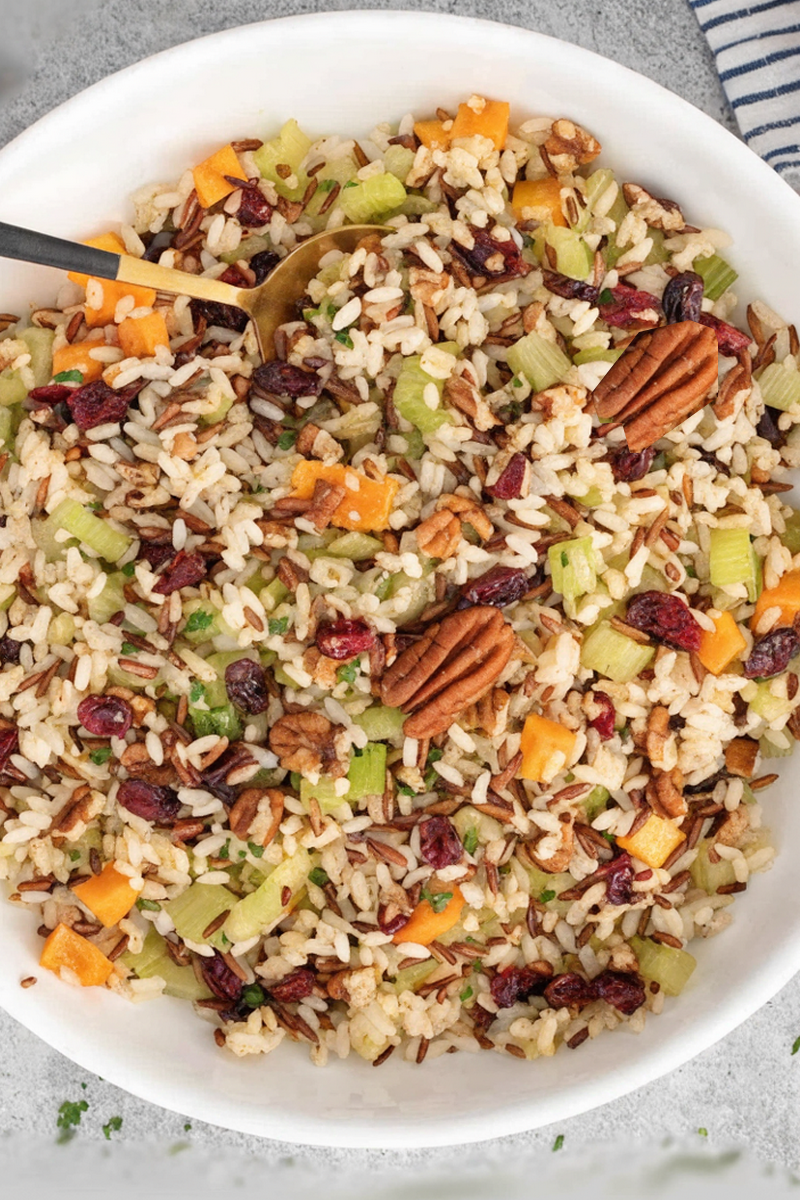
Wild Rice Pilaf
Course: Side DishCuisine: AmericanDifficulty: Easy4
servings10
minutes50
minutes220
kcal1
hourWild Rice Pilaf is a warm, nutty, and flavorful side dish made with wild rice, tender vegetables, and savory broth. It is healthy, easy to prepare, and perfect for family dinners or special occasions.
Ingredients
1 cup wild rice rinsed
2 ½ cups vegetable or chicken broth
1 tablespoon olive oil or butter
1 small onion, finely chopped
1 celery stalk, chopped
1 small carrot, diced
2 cloves garlic, minced
½ teaspoon salt or to taste
¼ teaspoon black pepper
½ teaspoon dried thyme optional
2 tablespoons chopped fresh parsley for garnish
Optional: ¼ cup chopped pecans or dried cranberries
Directions
- First, rinse the wild rice under cold running water using a fine strainer. This helps remove any dust or extra starch and makes the rice taste fresh and clean.
- Next, heat the olive oil or butter in a medium pot over medium heat. Add the chopped onion, celery, and carrot. Cook them for about 5–7 minutes, stirring often, until they become soft and slightly golden. This step builds flavor, so do not rush it. Add the garlic and cook for one more minute, just until fragrant.
- Now, stir in the rinsed wild rice. Let it toast in the pot with the vegetables for about 1–2 minutes. This gives the rice a deeper, nuttier taste. Carefully pour in the broth, then add the salt, pepper, and thyme. Stir everything together.
- Bring the mixture to a gentle boil. Once it starts bubbling, reduce the heat to low and cover the pot with a lid. Let it simmer for about 40–50 minutes. Wild rice takes longer to cook than regular rice, so be patient. The rice is done when most of the grains have popped open and are tender but still slightly chewy.
- Turn off the heat and let the pilaf sit, covered, for about 5–10 minutes. Then remove the lid and fluff the rice gently with a fork. If you are using pecans or dried cranberries, stir them in now. Sprinkle fresh parsley on top before serving.
Notes
- Always rinse wild rice before cooking to remove dust or debris.
- Toast the wild rice in oil for 1–2 minutes before adding liquid for a nuttier taste.
- Do not stir too often during cooking to avoid mushy rice.
- Add a squeeze of lemon juice before serving for brightness.