German schnitzel is a classic delicacy beloved throughout Germany and beyond. It consists of a thin slice of meat often veal or chicken coated in flour, dipped in egg, coated in breadcrumbs, and then fried until golden and crispy. The top becomes crispy and delicious, while the inside remains tender and juicy. It’s a simple food that becomes special through technique, attention, and tradition. Many families grew up eating schnitzel for Sunday lunch, holidays, or special family dinners, and each family has its own secrets for preparing it perfectly.
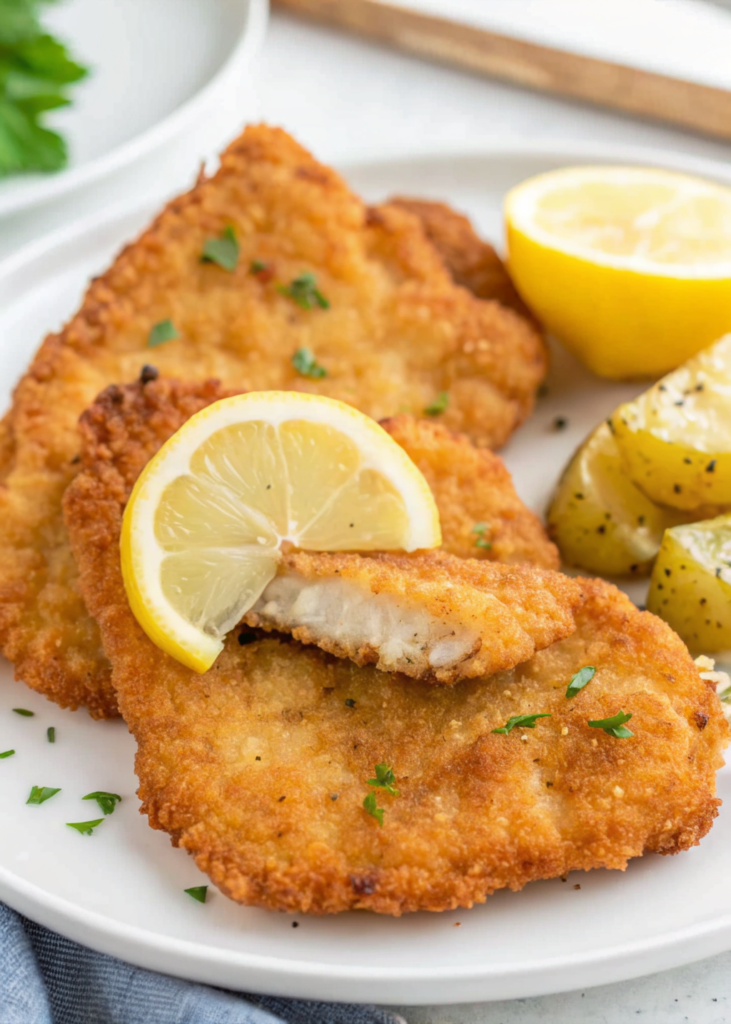
What makes German schnitzel special is its balance. It’s not overly seasoned, allowing the natural flavors of the meat to shine through. A squeeze of fresh lemon adds a refreshing touch, and the crispy coating gives it that satisfying crunch with every bite. Even children love schnitzel because it has a familiar taste, somewhat like chicken nuggets, but better and more like home-cooked food. It’s a dish that looks luxurious, but it’s actually very easy to prepare once you know the steps.
Why should you try German Schnitzel?
You should try German Schnitzel because it’s simple, economical, and incredibly delicious. You don’t need fancy ingredients or special skills, just basic kitchen tools and a little patience. This recipe is perfect for busy weeknights, family dinners, or even when you want to effortlessly impress your guests. Because the meat is tenderized, it cooks quickly, making it a fast, tasty, and satisfying meal.
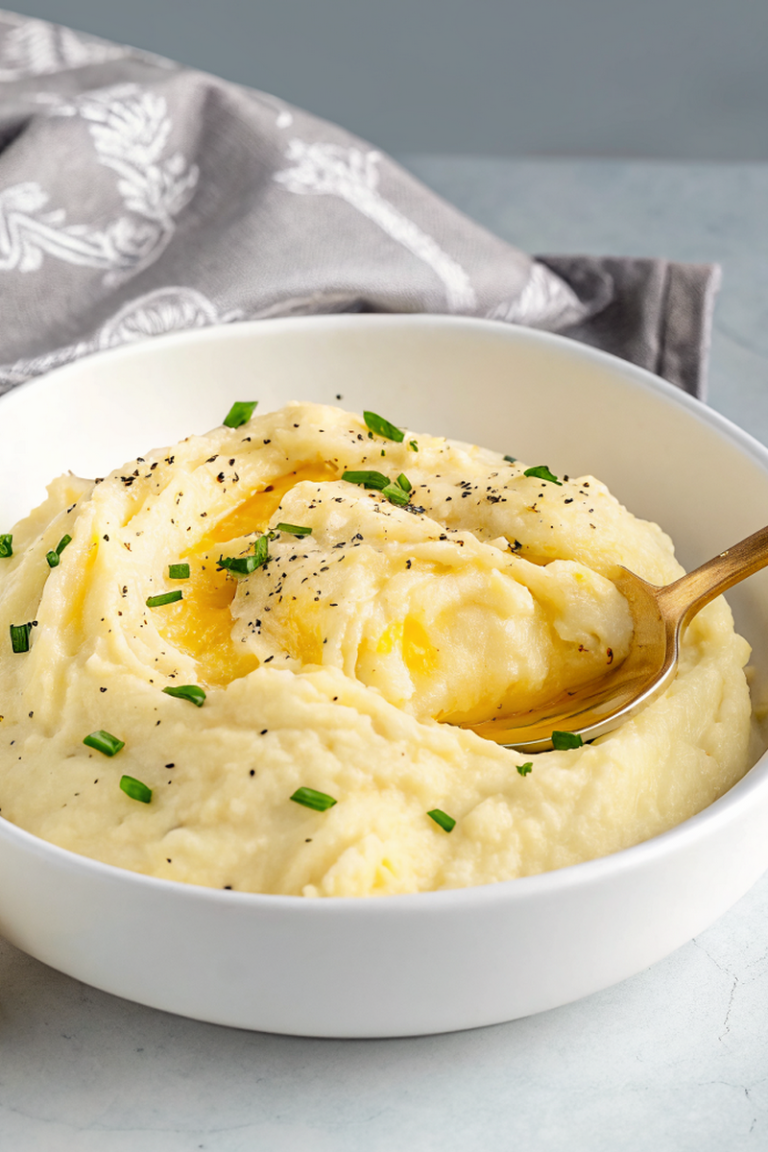
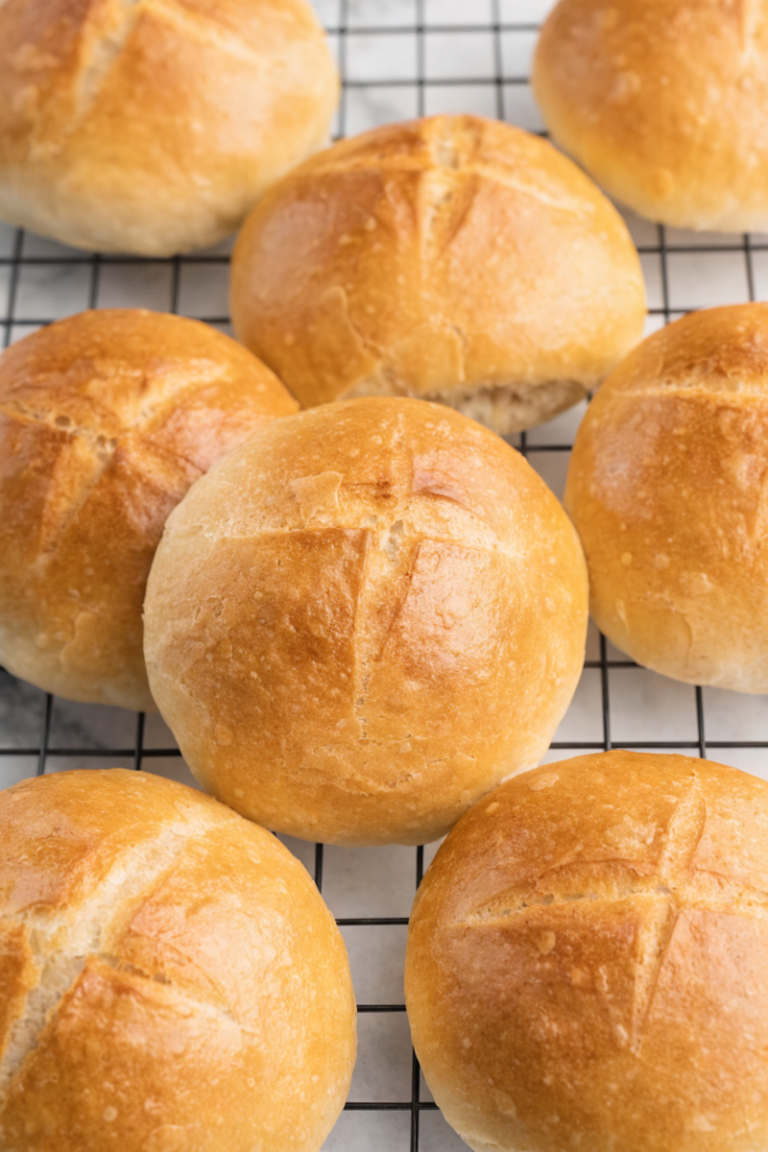
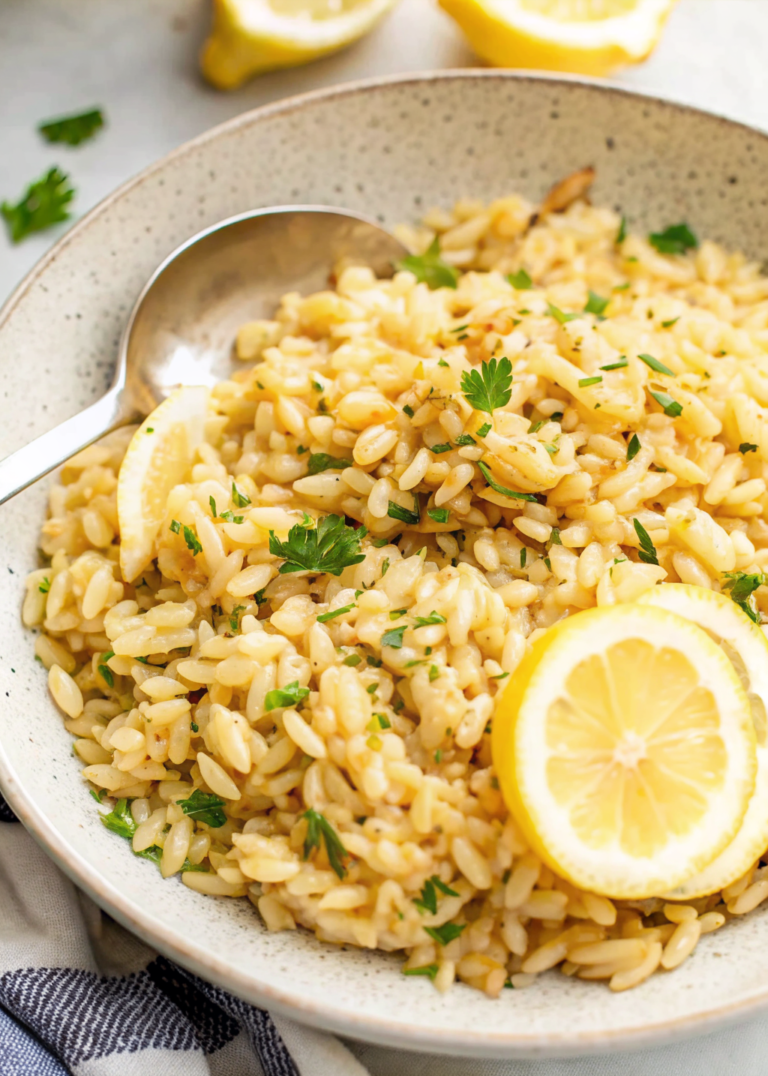
Another reason to try German Schnitzel is its versatility. You can use chicken or veal, depending on your preference or what you have on hand. You can serve it with potatoes, salad, pasta, or even bread. Once you learn the basic method, you can make Schnitzel again and again with simple variations, and you’ll never get tired of it.
Table of Contents
Ingredients you’ll need for German Schnitzel
Here is everything you need to make German Schnitzel:
- 4 boneless chicken breasts, or veal cutlets
- 1 cup all purpose flour
- 2 large eggs
- 2 tablespoons milk or water
- 1½ to 2 cups plain breadcrumbs
- Salt, to taste
- Black pepper, to taste
- Vegetable oil or sunflower oil, for frying
- Lemon wedges, for serving
How to Make German Schnitzel
Step 1
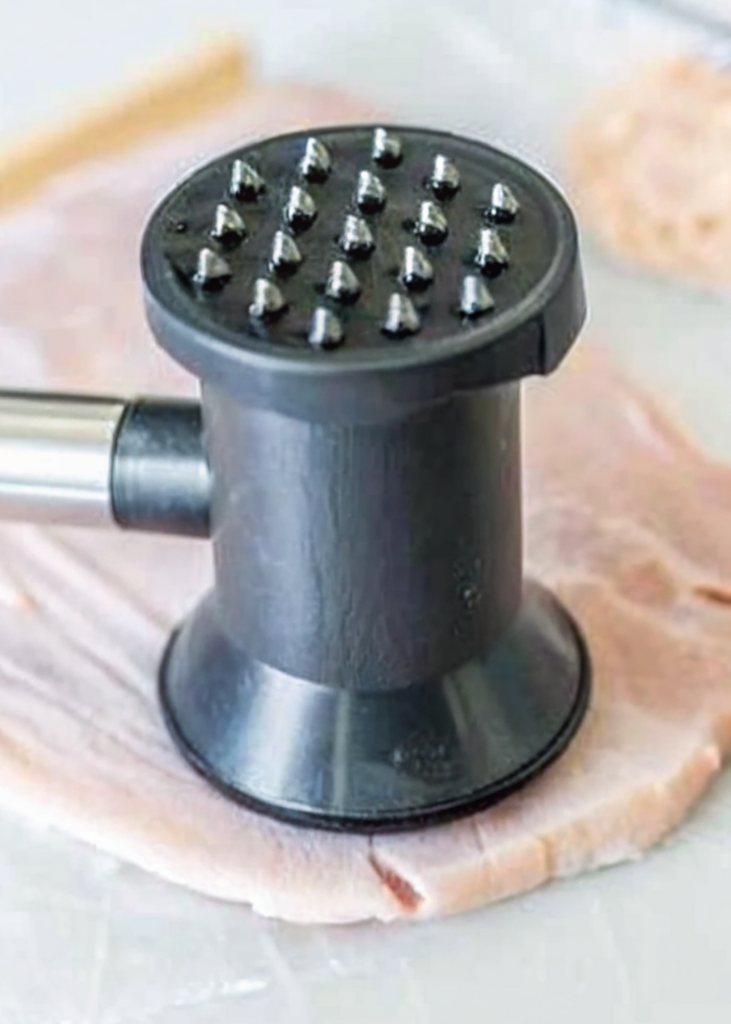
Start by placing your meat on a cutting board and covering it with plastic wrap or parchment paper. Using a meat mallet or rolling pin, gently pound the meat until it is thin and even, about ¼ inch thick. This step is very important because thin meat cooks quickly and stays tender. Season both sides of each piece with salt and black pepper, pressing lightly so the seasoning sticks.
Step 2
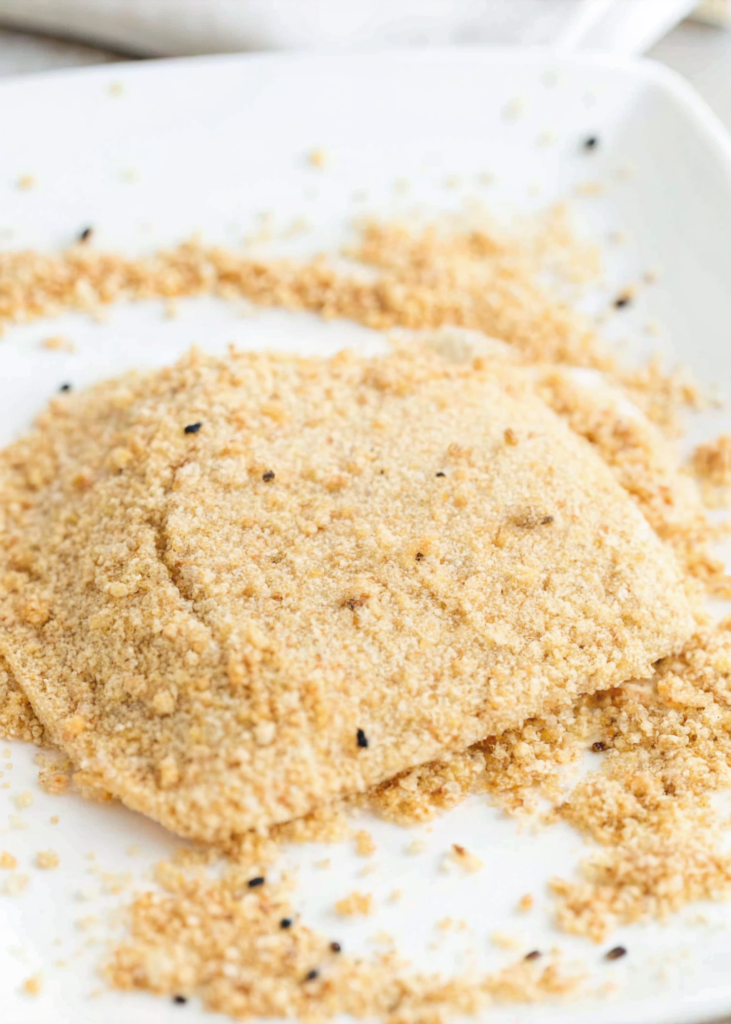
Next, set up a breading station with three shallow bowls. Put the flour in the first bowl, the eggs and milk in the second bowl, and the breadcrumbs in the third bowl. Whisk the eggs and milk together until smooth. Take one piece of meat and coat it lightly in flour, shaking off any extra. Then dip it into the egg mixture, making sure it is fully covered. Finally, press the meat into the breadcrumbs, gently patting so the crumbs stick well. Repeat this process with all pieces of meat and place them on a plate while you heat the oil.
Step 3
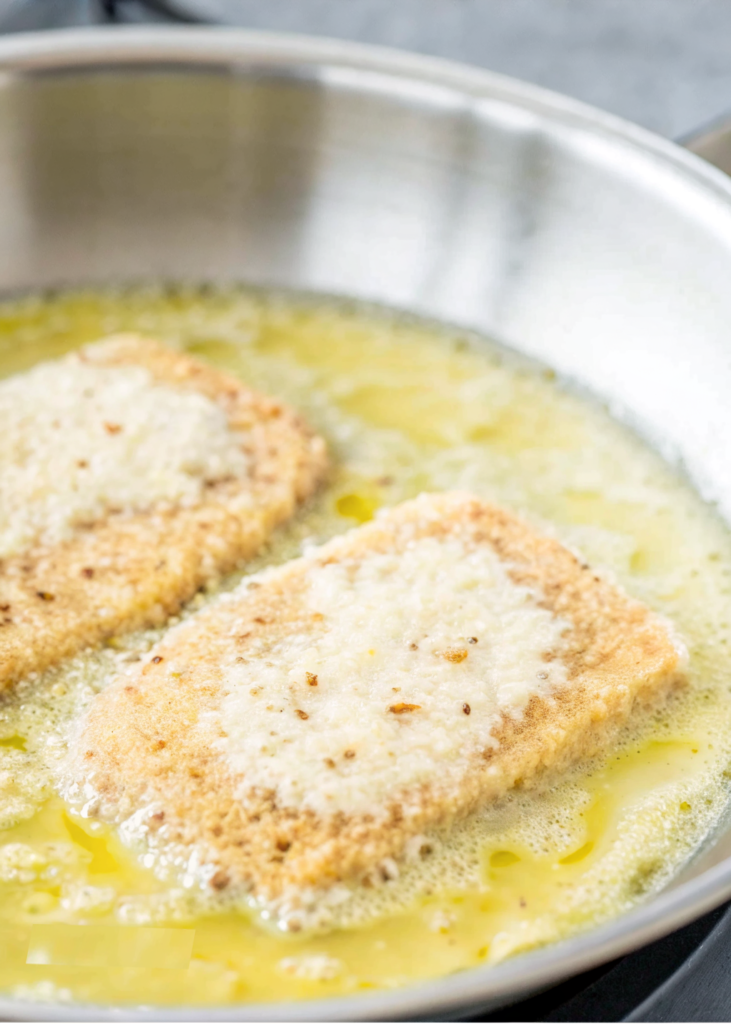
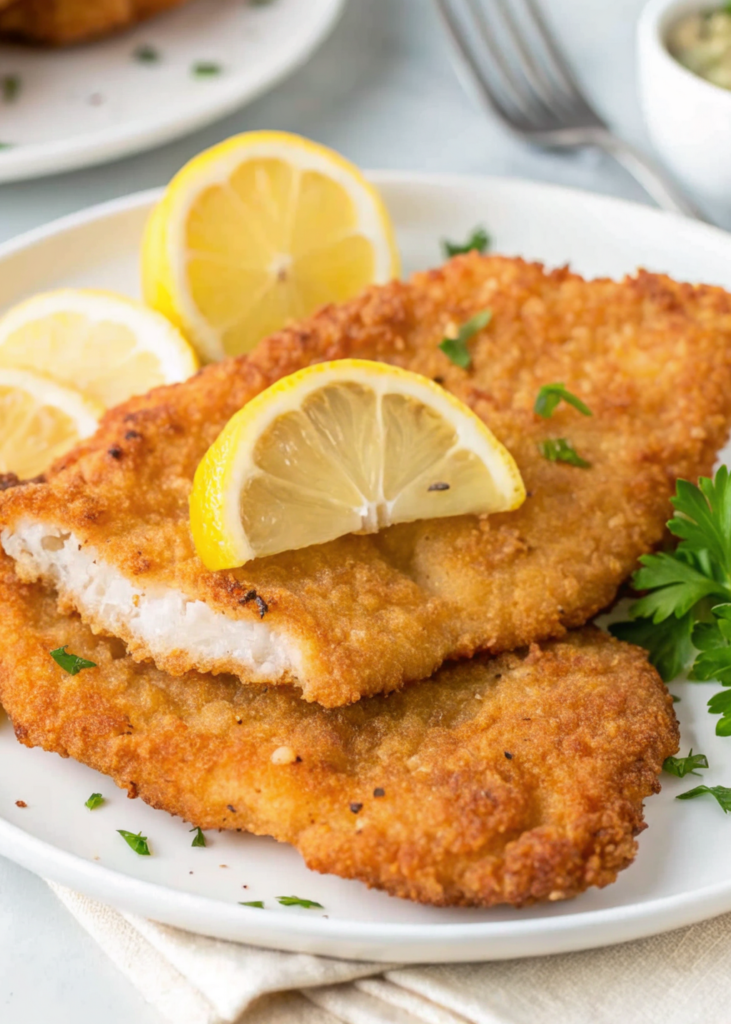
Heat a large frying pan over medium-high heat and add enough oil to cover the bottom of the pan generously. The oil should be hot but not smoking. Carefully place one or two schnitzels into the pan, making sure not to overcrowd it. Fry for about 2–3 minutes per side, until the coating is golden brown and crispy. Flip gently using tongs or a spatula. Once cooked, transfer the schnitzels to a plate lined with paper towels to drain excess oil. Serve immediately with lemon wedges for squeezing on top.
You can add this post to your favorite Pinterest board!
Kitchen equipment you will need :
Before you start, make sure you have these kitchen tools ready:
- Cutting board
- Sharp knife
- Meat mallet or rolling pin
- Three shallow bowls or plates for breading
- Large frying pan or skillet
- Tongs or spatula
- Paper towels
- Plate or tray
Tips and Variation Ideas
One of the best tips for perfect schnitzel is to keep the breadcrumbs loose and airy. Do not press them too hard onto the meat, as this helps the coating puff up slightly when frying. Also, always fry in batches crowding the pan lowers the oil temperature and makes the schnitzel greasy instead of crispy.
If you are short on time, you can prepare the meat and bread it a few hours ahead. Lay the breaded schnitzels on a tray, cover them, and keep them in the refrigerator until ready to fry. For an extra crispy result, use fresh breadcrumbs instead of very fine ones. Finally, always serve schnitzel right after cooking for the best texture.
What can I serve with this German Schnitzel ?
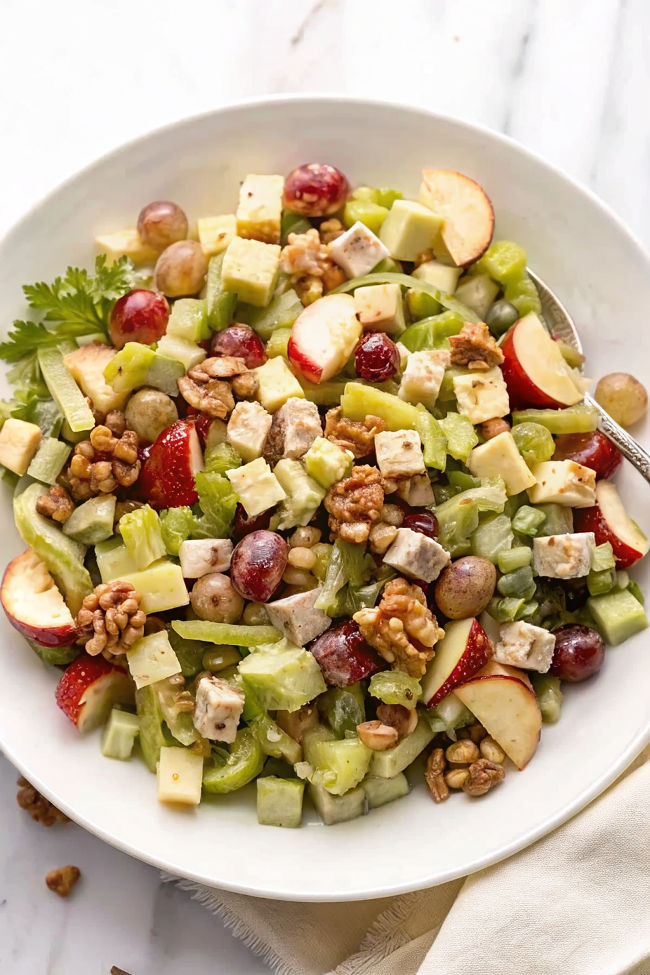
I often serve this German Schnitzel with a simple salad and some drinks like fruit juice or lemonade. After we finish eating the German Schnitzel , we usually serve some desserts like cheesecake or cookies.
Commonly Asked Questions
Why does the meat need to be pounded thin ?
Pounding the meat makes it tender and helps it cook evenly and quickly.
Can I freeze schnitzel ?
Yes, you can freeze breaded, uncooked schnitzel for up to 2 months.
Why is my schnitzel not crispy ?
The oil may be too cool, or the pan may be overcrowded.
Can I bake schnitzel instead of frying it ?
Yes, but it will not be as crispy. Brushing with oil and baking at high heat helps.
German Schnitzel
Course: Main DishCuisine: GermanDifficulty: Easy4
servings15
minutes15
minutes450
kcal30
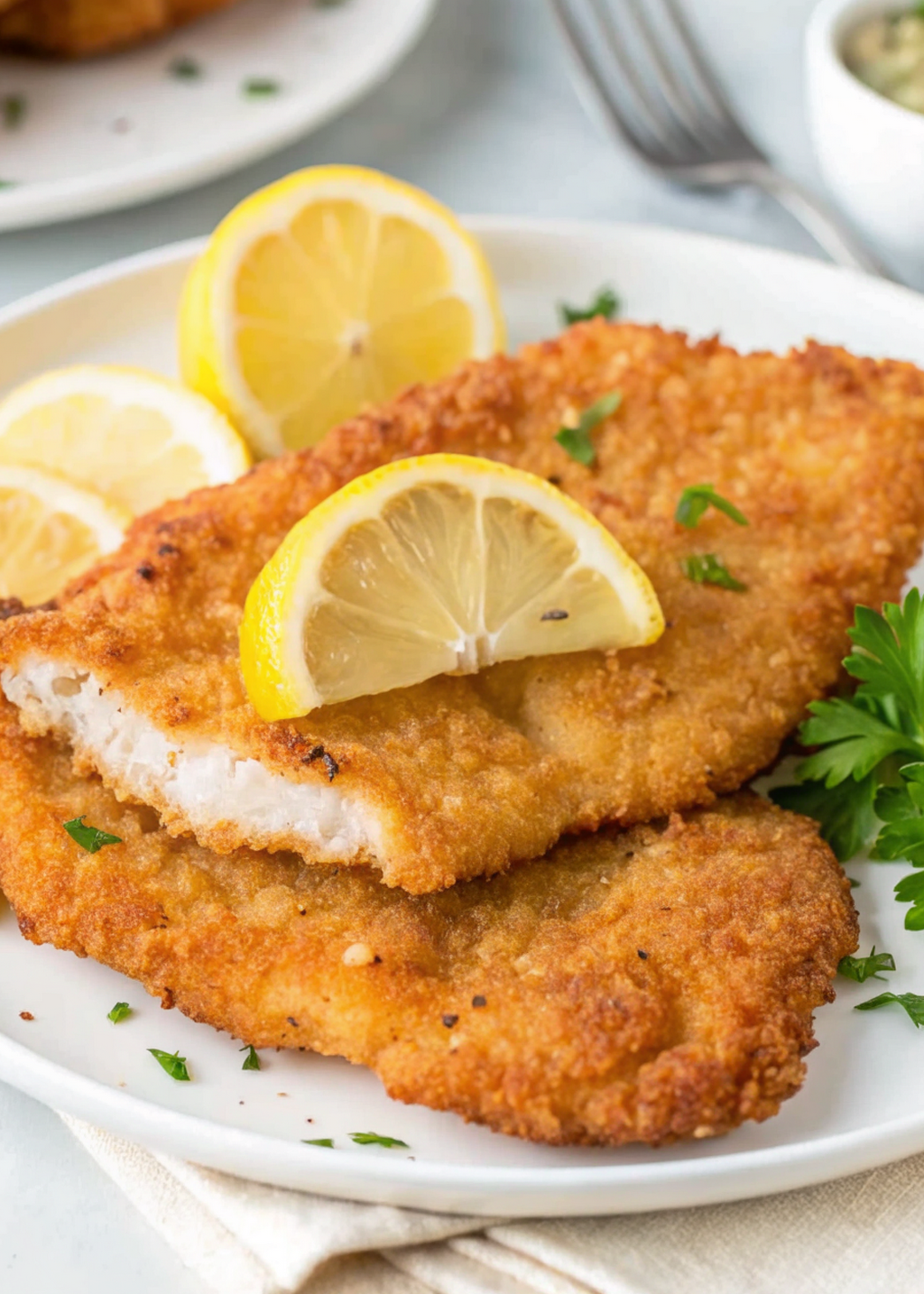
minutesGerman Schnitzel is a crispy, golden-fried cutlet made from thinly pounded meat coated in breadcrumbs. It’s quick to cook, easy to make, and loved by both kids and adults for its crunchy outside and juicy inside.
Ingredients
4 boneless chicken breasts, or veal cutlets
1 cup all purpose flour
2 large eggs
2 tablespoons milk or water
1½ to 2 cups plain breadcrumbs
Salt, to taste
Black pepper, to taste
Vegetable oil or sunflower oil, for frying
Lemon wedges, for serving
Directions
- Start by placing your meat on a cutting board and covering it with plastic wrap or parchment paper. Using a meat mallet or rolling pin, gently pound the meat until it is thin and even, about ¼ inch thick. This step is very important because thin meat cooks quickly and stays tender. Season both sides of each piece with salt and black pepper, pressing lightly so the seasoning sticks.
- Next, set up a breading station with three shallow bowls. Put the flour in the first bowl, the eggs and milk in the second bowl, and the breadcrumbs in the third bowl. Whisk the eggs and milk together until smooth. Take one piece of meat and coat it lightly in flour, shaking off any extra. Then dip it into the egg mixture, making sure it is fully covered. Finally, press the meat into the breadcrumbs, gently patting so the crumbs stick well. Repeat this process with all pieces of meat and place them on a plate while you heat the oil.
- Heat a large frying pan over medium-high heat and add enough oil to cover the bottom of the pan generously. The oil should be hot but not smoking. Carefully place one or two schnitzels into the pan, making sure not to overcrowd it. Fry for about 2–3 minutes per side, until the coating is golden brown and crispy. Flip gently using tongs or a spatula. Once cooked, transfer the schnitzels to a plate lined with paper towels to drain excess oil. Serve immediately with lemon wedges for squeezing on top.
Notes
- Pound the meat evenly so it cooks at the same speed and stays tender.
- Always pat the meat dry before seasoning and breading.
- Heat the oil well before adding the schnitzel.
- Use a wide pan so the schnitzel can lay flat.