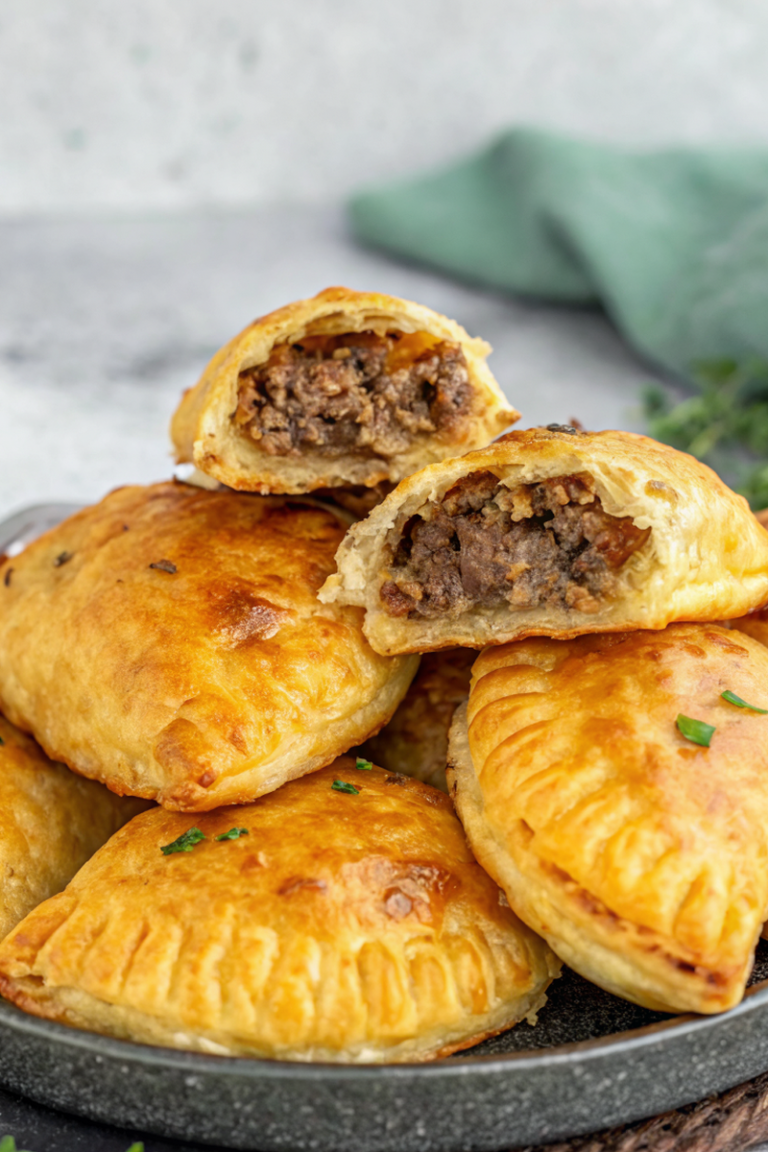
Scotch eggs are a classic British snack that’s both fun to make and delicious to eat. They are hard-boiled eggs wrapped in seasoned sausage meat, coated in breadcrumbs, and then deep-fried or baked until golden brown. When you cut into one, you get the satisfying combination of a soft or slightly runny egg in the middle, surrounded by savory sausage, and a crispy outer layer. Scotch eggs are often served cold or warm, making them a perfect picnic treat, party appetizer, or snack on the go.

This dish is loved by kids and adults alike because it’s like a little surprise in every bite. You can get creative with the type of sausage, spices, or coatings you use. While they might look fancy, making Scotch eggs at home is easier than you think and can even be a fun cooking project for the whole family.
You Should Try the Scotch Eggs
If you’ve never tried making Scotch eggs at home, now is the perfect time. They are versatile, filling, and satisfying. Making them from scratch allows you to control the flavors and ingredients, so they can be healthier than store-bought versions. Plus, the cooking process is a fun mix of rolling, coating, and frying or baking, which makes it a hands-on experience. Whether you’re planning a picnic, a kids’ party, or just want a protein-packed snack, homemade Scotch eggs are a treat worth trying.
Once you bite into a warm, perfectly cooked Scotch egg, you’ll understand why they’ve been a favorite for generations. The combination of textures the soft egg, juicy sausage, and crunchy breadcrumb coating is hard to resist.
Table of Contents
Ingredients you’ll need for Scotch Eggs
Here is everything you need to make Scotch Eggs:
- 4 large eggs plus 1 extra for coating
- 1 pound (450g) sausage meat
- 1 teaspoon salt
- ½ teaspoon black pepper
- ½ teaspoon smoked paprika optional
- ½ teaspoon garlic powder optional
- ½ cup all purpose flour
- 1 cup breadcrumbs panko works well for extra crunch
- Vegetable oil for frying or baking
How to Make Scotch Eggs
Step 1
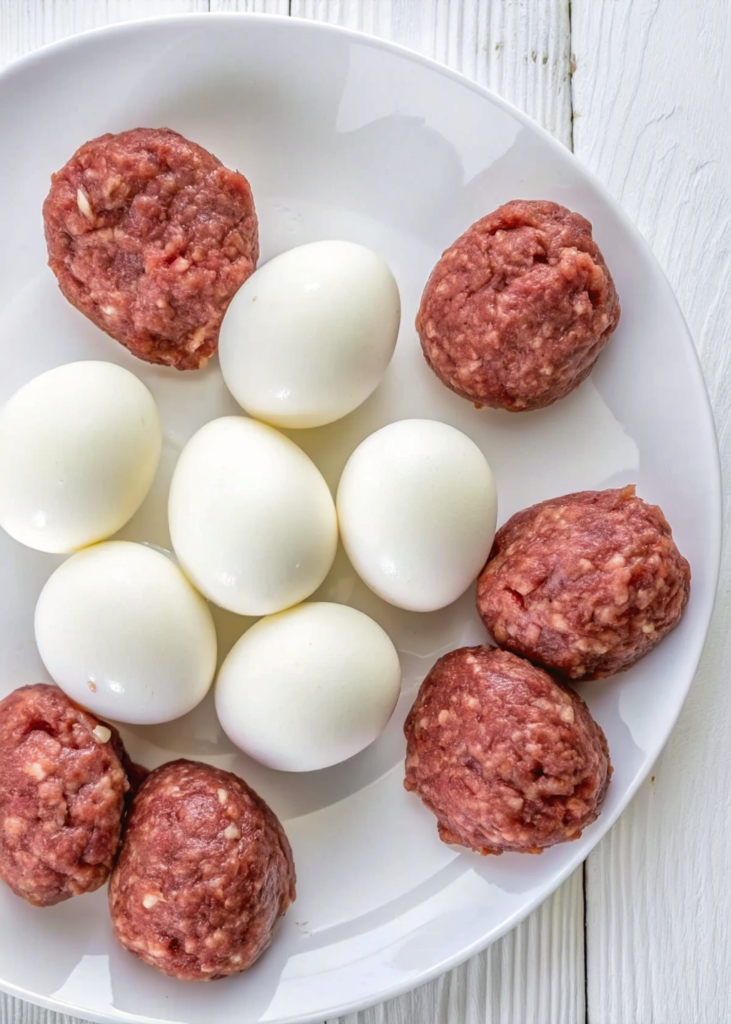
Start by placing the eggs in a saucepan and covering them with cold water, then bring the water to a gentle boil before reducing the heat and letting them simmer for about 6–7 minutes if you like a slightly soft yolk or 9–10 minutes for fully hard-boiled eggs, after which you should immediately transfer them to a bowl of cold water to stop the cooking process and make peeling easier, then carefully peel each egg once they are cool enough to handle.
Step 2
While the eggs are cooling, take the sausage meat and place it in a mixing bowl, seasoning it thoroughly with salt, black pepper, and any optional spices you prefer, such as smoked paprika or garlic powder, then knead the mixture gently with your hands until all the flavors are evenly distributed and the texture is smooth and pliable.
Step 3
Once the eggs are peeled, divide the sausage mixture into four equal portions and flatten each portion into a patty shape, then take each egg and carefully wrap it with one of the sausage patties, ensuring that the sausage completely encloses the egg with no gaps, smoothing it out gently with your hands so it maintains a neat, even layer around the egg.

Step 4
Prepare your coating station by placing flour in one shallow bowl, a beaten egg in another, and breadcrumbs in a third, then take each sausage-covered egg and first roll it in the flour, shaking off any excess, next dip it into the beaten egg so that it is fully coated, and finally roll it in the breadcrumbs, pressing lightly to ensure an even, secure coating that will hold during cooking.
Step 5
If you are frying the Scotch eggs, heat a sufficient amount of vegetable oil in a deep pan or fryer to 350°F (175°C) and carefully lower each coated egg into the hot oil, frying them for about 4–5 minutes and turning occasionally so that all sides become golden brown and crisp, making sure not to overcrowd the pan to maintain the oil temperature; if you prefer to bake instead, preheat your oven to 400°F (200°C), place the coated eggs on a lined baking tray, and bake for 25–30 minutes until they are golden and cooked through.
Step 6
Once cooked, remove the Scotch eggs from the oil or oven and let them rest on a cooling rack or plate for a few minutes to allow the yolk to set slightly and the coating to firm up, which will make slicing and serving easier, then enjoy them warm or at room temperature with your favorite sauces or sides.
You can add this post to your favorite Pinterest board!
Kitchen equipment you will need :
Before you start, make sure you have these kitchen tools ready:
- Saucepan for boiling eggs
- Mixing bowl
- Knife and cutting board
- Small bowl for beaten egg
- Frying pan or deep fryer or baking tray for oven method
- Slotted spoon if frying
- Cooling rack or plate
Tips and Variation Ideas
Use slightly soft boiled eggs if you like a runny yolk; hard-boiled if you prefer fully set eggs.
Chill the peeled eggs for a few minutes before wrapping in sausage to make handling easier.
Panko breadcrumbs give a crunchier texture than regular breadcrumbs.
Fry in batches to avoid overcrowding the pan, which can lower the oil temperature and make the coating soggy.
What can I serve with this Scotch Eggs ?
I serve these delicious Scotch Eggs with coffee or tea, and sometimes I like to enjoy them on their own or with drinks like lemonade or another beverage. I also serve some sweets after we’ve finished eating, such as cheesecake or cookies.

Commonly Asked Questions
Can I use soft-boiled eggs instead of hard boiled eggs ?
Yes! Soft-boiled eggs give a slightly runny yolk that many people love, but they’re a bit trickier to wrap in the sausage meat.
Can I make Scotch eggs without frying them ?
Absolutely! You can bake them in the oven at 400°F (200°C) for 25–30 minutes until golden for a healthier version.
How do I stop the egg from cracking when wrapping it with sausage ?
Cool the boiled eggs in ice water and handle them gently while wrapping. Flatten the sausage patty enough to cover the egg without pressing too hard.
How long can I store leftover Scotch eggs ?
You can store them in an airtight container in the fridge for up to 3 days or freeze them for up to 2 months.

Scotch Eggs
Course: Snacks, AppetizersCuisine: BritishDifficulty: Medium4
servings20
minutes30
minutes400
kcal50
minutesScotch eggs are hard-boiled eggs wrapped in seasoned sausage meat, coated in crispy breadcrumbs, and fried or baked until golden, making a savory snack that’s perfect for parties, picnics, or lunchboxes.
Ingredients
4 large eggs plus 1 extra for coating
1 pound (450g) sausage meat
1 teaspoon salt
½ teaspoon black pepper
½ teaspoon smoked paprika optional
½ teaspoon garlic powder optional
½ cup all purpose flour
1 cup breadcrumbs panko works well for extra crunch
Vegetable oil for frying or baking
Directions
- Start by placing the eggs in a saucepan and covering them with cold water, then bring the water to a gentle boil before reducing the heat and letting them simmer for about 6–7 minutes if you like a slightly soft yolk or 9–10 minutes for fully hard-boiled eggs, after which you should immediately transfer them to a bowl of cold water to stop the cooking process and make peeling easier, then carefully peel each egg once they are cool enough to handle.
- While the eggs are cooling, take the sausage meat and place it in a mixing bowl, seasoning it thoroughly with salt, black pepper, and any optional spices you prefer, such as smoked paprika or garlic powder, then knead the mixture gently with your hands until all the flavors are evenly distributed and the texture is smooth and pliable.
- Once the eggs are peeled, divide the sausage mixture into four equal portions and flatten each portion into a patty shape, then take each egg and carefully wrap it with one of the sausage patties, ensuring that the sausage completely encloses the egg with no gaps, smoothing it out gently with your hands so it maintains a neat, even layer around the egg.
- Prepare your coating station by placing flour in one shallow bowl, a beaten egg in another, and breadcrumbs in a third, then take each sausage-covered egg and first roll it in the flour, shaking off any excess, next dip it into the beaten egg so that it is fully coated, and finally roll it in the breadcrumbs, pressing lightly to ensure an even, secure coating that will hold during cooking.
- If you are frying the Scotch eggs, heat a sufficient amount of vegetable oil in a deep pan or fryer to 350°F (175°C) and carefully lower each coated egg into the hot oil, frying them for about 4–5 minutes and turning occasionally so that all sides become golden brown and crisp, making sure not to overcrowd the pan to maintain the oil temperature; if you prefer to bake instead, preheat your oven to 400°F (200°C), place the coated eggs on a lined baking tray, and bake for 25–30 minutes until they are golden and cooked through.
- Once cooked, remove the Scotch eggs from the oil or oven and let them rest on a cooling rack or plate for a few minutes to allow the yolk to set slightly and the coating to firm up, which will make slicing and serving easier, then enjoy them warm or at room temperature with your favorite sauces or sides.
Notes
- Use slightly soft-boiled eggs if you like a runny yolk; hard-boiled eggs are better if you prefer fully set yolks.
- Chill the eggs after boiling in ice water to make peeling easier and prevent cracking.
- Wrap the sausage tightly around the egg to prevent it from falling apart during cooking.
- Heat oil to the right temperature (around 350°F / 175°C) when frying to avoid greasy or soggy coating.